
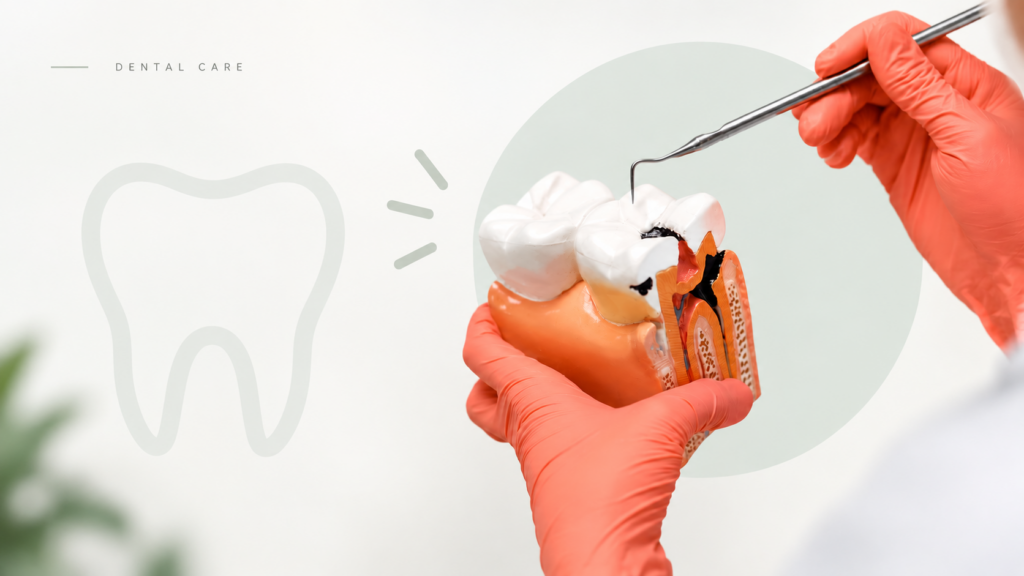
What Really Happens to a Root Canal Tooth After 10 Years?
Got a root canal years ago and forgot about it? That’s actually a good sign — here’s what’s really going on with that tooth after 10 years.
The Honest Numbers First
Long-term studies show that many root canal-treated teeth remain functional for 10 years or longer. Reported 8–10-year survival rates vary between studies, with systematic reviews and long-term studies generally reporting figures in the high-80% to low-90% range. Individual outcomes can vary depending on the tooth, the quality of the restoration, the amount of remaining tooth structure, and other factors.
In simple terms, most root canal-treated teeth can continue doing their job a decade later. But a root canal isn’t a lifetime guarantee. Over the years, the tooth and its restoration can still develop problems, which is why regular dental check-ups remain important.
What Changes Over a Decade
A root canal removes the infected or inflamed pulp from inside the tooth. The tissues surrounding the tooth remain living and continue to support it. Over time, the main concern is usually the amount of natural tooth structure that remains and how well the tooth has been restored and protected.
The crown starts showing its age
Most crowns last 10–15 years before wear, a small chip, or gum recession around the edge calls for a replacement.
Fresh decay can sneak in at the edges
The root canal filling itself can't decay, but the natural tooth around it absolutely can.
The tooth becomes crack-prone
Without internal blood supply, it's more brittle especially if it was never capped with a crown, or if you're chewing ice or hard food on it regularly.
Some discoloration is normal
A treated tooth can darken slightly from the inside over the years. It's cosmetic, not dangerous, and fixable with whitening or a crown if it bothers you.
What Changes Over a Decade
Occasionally, a root canal that’s been silent for a decade suddenly isn’t. Watch for a dull ache returning, swelling, a small pimple-like bump on the gum near the tooth, or tenderness when you bite down. That’s usually bacteria finding a way back in — through a cracked filling, a leaking crown edge, or a canal that got missed the first time round.
The good news: this doesn’t automatically mean a lost tooth. Retreatment has a solid 75–85% success rate and is almost always tried first. If the tooth genuinely can’t be saved, tooth replacement options like implants are a reliable next step not a failure, just a plan B.
Making a 10-Year-Old Root Canal Last Even Longer
A properly fitted crown, decent daily brushing habits, and a check-up every six months do more for a treated tooth’s lifespan than anything else. If it’s been a while since anyone actually looked at that old root canal, it’s worth getting an X-ray not because something’s necessarily wrong, but because catching a hairline crack or a loosening crown early is a five-minute fix instead of a three visit one.
Had a root canal done years back and can’t remember your last check-up? Come see us at Dentista Dental Clinic in Patna — a quick look now can save you a much bigger conversation later. BOOK APPOINMENT